
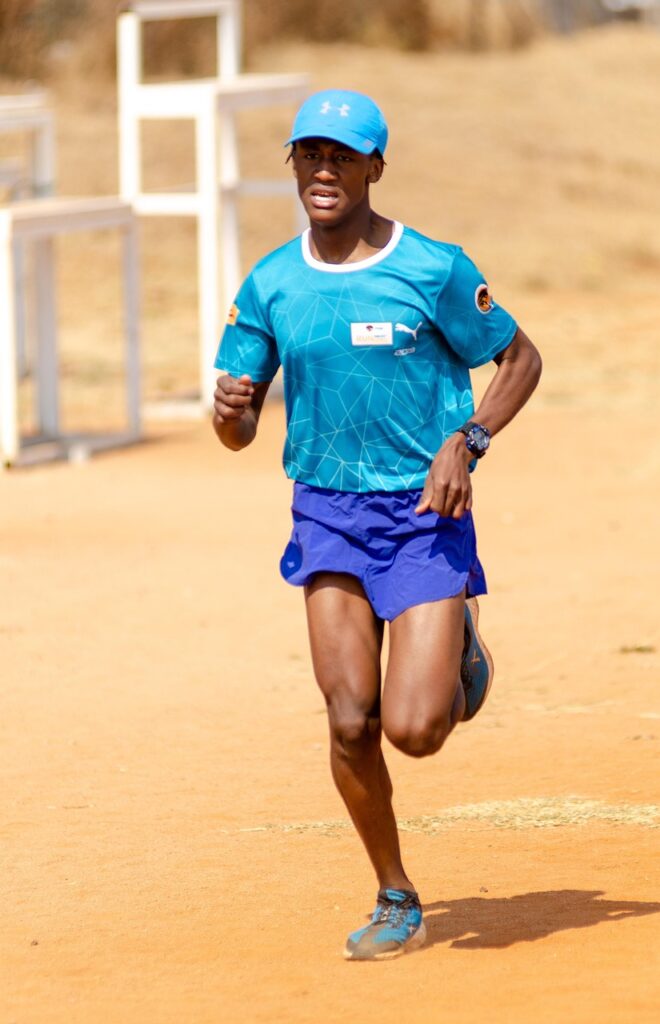
When the temperature rises, many runners shy away from training outdoors. But did you know that running in warm conditions can actually make you a stronger, more resilient athlete?
Heat acclimation the process of training your body to adapt to higher temperatures offers powerful physiological advantages that can improve your performance in any climate.
What happens when you train in the heat?
When you consistently train in warmer conditions, your body undergoes a series of impressive adaptations:
1. Increased plasma volume
Your body produces more blood plasma, which helps with:
- More efficient oxygen delivery to working muscles
- Improved thermoregulation and sweat response
- Enhanced cardiac output with lower heart rates at the same effort
Up to a 7% increase in plasma volume has been observed after just 10 days of heat acclimation.
2. Improved thermal regulation
Heat adapted athletes sweat more efficiently and start sweating sooner. This leads to:
- Less physiological stress during sessions
- Lower heart rate and perceived exertion
- Greater comfort in both hot and cool environments
Even in temperate races, heat-adapted runners perform more efficiently.
3. Better running (or cycling) economy
Once heat-adapted, your body requires less energy to maintain the same pace or intensity. Benefits include:
- Reduced VO₂ cost per kilometer
- Improved muscular efficiency
- More consistent pacing in long events
Pro cyclists often train indoors in heat chambers to increase power and endurance.
4. Greater tolerance to effort
Training in the heat builds both physical and mental toughness. You’ll be able to:
- Handle higher training loads
- Maintain focus in uncomfortable conditions
- Perform better under race-day stress
How often should you train in the heat?
- Aim for 3 to 5 sessions per week in hot conditions
- Continue for 7 to 14 consecutive days
- Start with 20–30 minute sessions and increase duration and intensity as tolerated
Adaptation begins within days, but full performance gains appear after 2–3 weeks.
Top tips for safe and effective heat training
Start Gradually
Begin with short, low-intensity (low HR) sessions and increase duration as your body adapts.
Hydrate Proactively
Drink before, during and after training. Use electrolyte rich fluids to replace sodium lost through sweat.
Check out the Weighing Method and Fluid Balance Guide:
Running in High Temperatures – Silva Running School
Monitor Warning Signs
Stop immediately if you feel dizzy, nauseous or overly fatigued.
Time & Gear Matter
Train early in the morning or late in the evening, wear breathable fabrics and track intensity using heart rate or perceived exertion (RPE).
Final thought
Adjust your training, adapt to the heat, and unlock new levels of performance.
Heat training isn’t just for desert runners or Ironman athletes it’s a proven method to boost endurance, improve efficiency, and build resilience, whether you’re preparing for a local 10K or a full marathon.
At Silva Running School, we help athletes integrate heat acclimation safely and effectively into their training personalized to your fitness, goals, and environment.
For more information, read our full guide on training in the heat:
Running in High Temperatures – Silva Running School